
We've all felt that familiar dread. You're in the middle of something important, and that little battery icon in the corner of your screen suddenly turns red. It’s a universal moment of panic.
Modern laptop batteries are amazing pieces of technology, but they aren't built to last forever. They wear out over time, which is perfectly normal. What most people don't realize, though, is that you have far more control over how fast they wear out than you might think.
Why Your Laptop Battery Dies Faster Than You Expect
It's not just in your head. That new laptop that once powered you through an entire workday now struggles to make it past lunch. This isn't a defect; it's just the reality of how these powerful batteries are made.
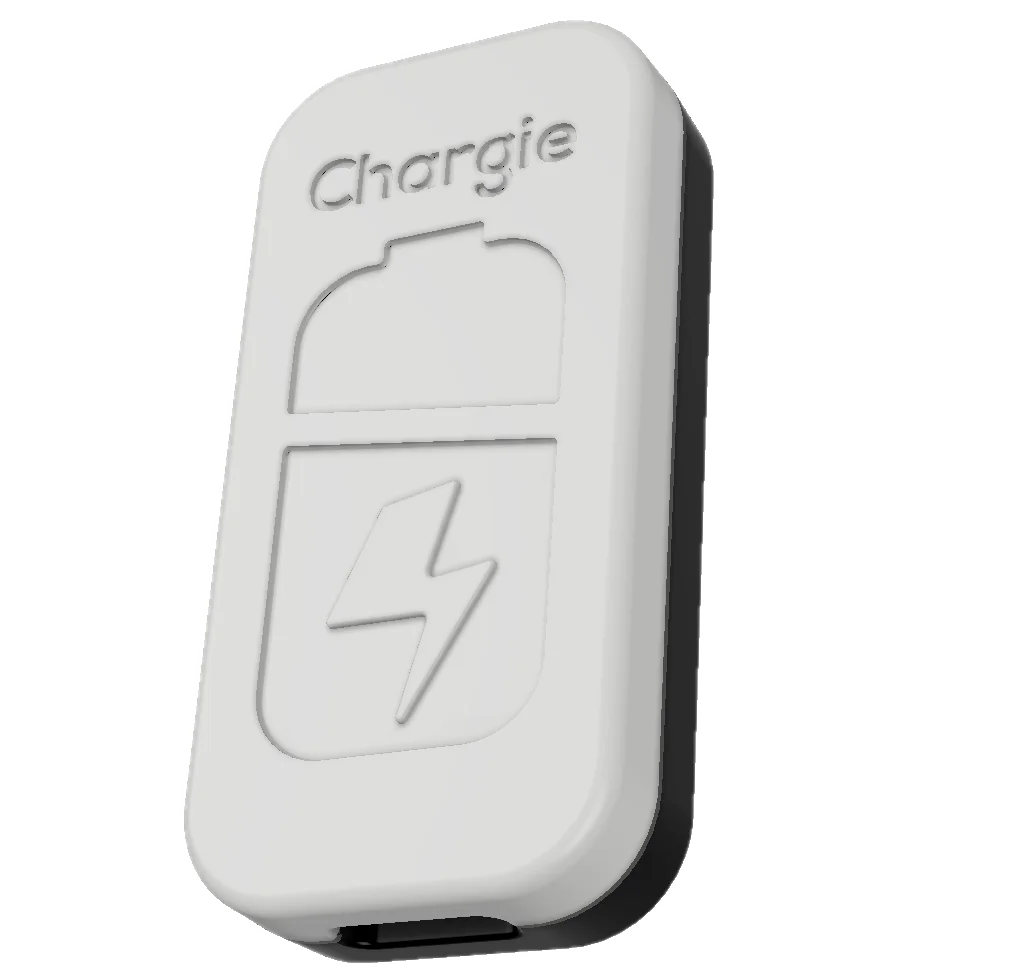
Chargie for Laptops caps charging via USB-C — no software needed.
Get Chargie for Laptops →This problem is so common it fuels a massive global industry. Every year, manufacturers make over 500 million new laptop batteries. It’s a market expected to grow from $7.86 million in 2026 to a huge $12.9 million by 2035. You can dig into the market trends and consumer impact on PatentPC.com. Yet, despite those big numbers, most batteries lose a noticeable amount of their power in just a couple of years, leading to frustration and expensive replacements.
The good news? You don't need to be a tech expert to avoid this. This guide will show you exactly why this happens and give you practical, easy-to-follow advice to protect your laptop.
The Hidden Culprits Draining Your Laptop Battery
Think of your battery's lifespan like your own health. It’s not one big event that makes a difference, but the small, consistent habits you build over time. Many of the ways we use our laptops, things that seem totally harmless, are silently aging the battery.
The real issue isn't using your laptop—it's how you charge and store it. The goal is to reduce unnecessary stress on the battery, which is the key to slowing down its aging process.
Before we dive deep, here’s a quick look at the main problems. This table gives you an at-a-glance summary of the things that are secretly hurting your battery every day.
| The Culprit | How It Hurts Your Battery (In Simple Terms) |
|---|---|
| Keeping It at 100% | Holding a full charge is like constantly flexing a muscle. It puts the battery under stress, causing it to wear out much faster. |
| High Temperatures | Heat is the number one enemy of battery health. Leaving your laptop in a hot car or blocking its air vents can cause permanent damage. |
| Deep Discharges | Letting your battery drop to 0% is like running an engine without oil. It strains the battery and can speed up its decline. |
| Fast Charging | While it's quick, forcing power into the battery too fast creates extra heat and puts more wear on it than slower charging. |
| Natural Aging | Just like anything else, batteries get weaker over time, even if you don't use them. However, your habits decide how quickly this happens. |
Understanding these five culprits is the first real step toward taking back control. Now, let’s explore what you can do about them.
Ditching the Jargon: What You Actually Need to Know About Your Laptop's Battery
You don't need to be a tech expert to get the most out of your laptop's battery. In fact, all it takes is understanding a few key ideas, and the best way to do that is with simple comparisons. Once you see it this way, it becomes clear why certain habits are so damaging and how tiny changes can make a massive difference.
Think of your laptop's battery capacity like a brand-new water bottle. When it’s fresh off the shelf, it holds a full 32 ounces. That's its maximum capacity. But after a few years of use, tiny, invisible cracks and wear mean it might only hold 25 ounces. Your battery is exactly the same—it starts at 100% capacity but slowly loses its ability to hold a full charge.
This decline is totally normal, but your daily habits can either speed up that process or slow it down. And the best way to measure that wear and tear is with the charge cycle.
What Exactly Is a Charge Cycle?
A charge cycle isn't as simple as plugging your laptop in and out. It’s more like the odometer on a car—it tracks the total mileage, not just a single trip.
A full cycle is counted every time you've used a total of 100% of your battery's capacity. It can happen in a few different ways:
- Scenario 1: You use your laptop from a full 100% all the way down to 0%. That’s one complete charge cycle.
- Scenario 2: Today, you use 50% of your battery, plug it in, and then use another 50% tomorrow. That also adds up to one full charge cycle.
This matters because every battery has a limited lifespan. Most laptop batteries are built to handle somewhere between 300 and 1,000 cycles. Once you go past that number, the drop in battery life becomes very obvious. If you're curious, you can find out how to check the number of charge cycles your battery has already been through.
Why Depth of Discharge Matters
Related to charge cycles is another important idea: Depth of Discharge (DoD). It is just a way of saying how much battery you use before you recharge. Running your laptop down to 10% is a deep discharge, while only using it until it hits 60% before plugging it in is a shallow one.
It turns out, your battery really does not like being pushed to its limits. It is much happier with smaller, more frequent sips of power than being drained dry and then filled up with a huge charge. A study of over 10,000 student laptops found that devices charged with shallow discharges still had 80% of their original battery life after 500 charge cycles. In contrast, laptops that went through deep discharges hit that same 80% mark after only 350 cycles. That is a huge difference in lifespan from just a simple change in habit.
It's like the difference between running a marathon and going for a few short jogs during the week. Deep discharges are the marathon for your battery—very tough. Shallow discharges are the easy jogs that keep it healthy without the strain.
The Big Picture: Battery Health
This brings us to battery health. Think of it as the overall wellness of your battery, combining its current maximum capacity, its age, and its cycle count into one score. It’s not about one single thing, but the sum of its parts—just like your own health depends on a mix of age, lifestyle, and avoiding stress.
This diagram perfectly shows the main things that damage your battery's health over time: heat, charging habits, and just plain aging.

While you can’t stop the clock on aging, you have a surprising amount of control over the other two factors. If you're a Windows user and want to see where you stand, you can easily check your battery health and generate a detailed report.
If you remember one thing, make it this: managing your battery isn't about using your laptop less—it's about charging it smarter. Keeping it away from the stress of a constant 100% charge and avoiding extreme heat are the two most powerful things you can do.
By understanding these simple ideas—capacity as a shrinking water bottle, cycles as an odometer, and health as overall wellness—you're now ready to make smarter choices. Now that we've covered the what and the why, let's dig into the specific habits that are silently killing your battery.
The Five Silent Killers of Laptop Battery Health
So now you know the language of battery health—capacity, cycle counts, and its overall condition. But what are you doing every single day that’s actively working against your laptop's lifespan? It turns out, the most damage often comes from the small, seemingly harmless habits we don’t even think about.
Think of your laptop's battery like a top athlete. To keep it in peak shape, you have to avoid putting it under constant, needless stress. Let's pull back the curtain on the five biggest problems—the silent killers slowly draining the life from your battery right under your nose.

The 100 Percent Charge Trap
It feels so right to keep our devices fully charged and ready for action. But here’s the hard truth: leaving your laptop plugged in and sitting at 100% is one of the most stressful things you can do to its battery.
Imagine flexing a muscle as hard as you can and just holding that position for hours. That muscle would get strained and tired pretty quickly, right? A battery at 100% is in a similar state of high stress. This constant pressure speeds up the chemical breakdown inside, permanently reducing its maximum capacity.
Even with amazing technology, this is a basic weakness. The best laptops can last over 20 hours, but their biggest weakness is still the strain of a constant full charge. This one bad habit can cause capacity to drop by 20-30% within the first year, completely wiping out the benefits of modern battery tech. You can see how different laptops stack up by reading the full breakdown from Tom's Guide.
Extreme Temperature Exposure
Batteries, a lot like people, have a comfort zone. They work best at room temperature and absolutely hate extremes—especially heat. Forcing your laptop to work in high temperatures is like making it run a marathon in the desert.
Heat speeds up the chemical reactions inside the battery, and not in a good way. It kicks the aging process into high gear, causing permanent damage. And this isn't just about leaving your laptop in a hot car. Something as simple as using it on a plush blanket or pillow can block the cooling vents, trapping heat and slowly cooking the battery from the inside.
The data on heat damage is serious. One study found that a battery stored at 40 degrees C for a single year lost a massive 25% of its total ability to hold a charge. Compare that to a battery kept at a more reasonable 25 degrees C, which lost only 4% over the same time. Every degree matters.
A battery's worst enemy is heat. Consistently using it above 95 degrees F (35 degrees C) can permanently damage its capacity. Likewise, charging in freezing temperatures can also cause long-term harm.
What About the Cold?
While heat is the main problem, extreme cold is not great for your battery either. If you have ever left your laptop in a car overnight during winter, you might have noticed it has less charge or struggles to even turn on. Luckily, this effect is mostly temporary. The cold simply slows down the chemical reactions, reducing the battery’s ability to provide power. Once it warms back up to room temperature, performance should return to normal. The key is to let a cold laptop warm up slowly before you start using or charging it.
You can dig deeper into the impact of temperature and charging rates on battery degradation in our dedicated article.
The Deep Discharge Danger
On the flip side, you have the myth that you should let your battery die completely before plugging it back in. That advice was good for old-school batteries, but for modern ones, it’s just plain bad.
Allowing your battery to drain all the way to 0% is like running a car engine with no oil. It puts a massive strain on the battery. In some cases, it can push the battery into a state from which it might never recover.
- The Sweet Spot: Try to keep your charge level between 20% and 80%.
- The Stress Zones: The battery is most stressed above 80% and below 20%.
- The Goal: Simply limit the time your battery spends in these two high-stress zones.
Think of it as avoiding both total exhaustion and being over-caffeinated. A balanced, middle-ground state is where your battery is happiest and healthiest.
The Fast Charging Dilemma
Let's be honest, fast charging is a lifesaver when you're in a hurry. The catch? Relying on it all the time takes a toll on your battery's long-term health. The process of rapidly pushing a huge amount of energy into the battery creates way more heat than standard charging.
And as we've already covered, heat is public enemy number one. While your laptop is built to handle this, the added heat and stress add up over time, leading to faster wear and tear.
This doesn't mean you should never fast charge. It’s a great tool to have. Just think of it as a sprint, not a marathon—perfect for short bursts, but not a good pace for the long run. Whenever you aren't in a rush, slow and steady wins the race.
The Slow March of Time
Finally, we have the one killer you can't stop completely: aging. Just like everything else, batteries get weaker over time, whether you use them or not. From the moment it's made, the chemical parts inside begin their slow, unavoidable breakdown.
But here’s the good news: your habits and environment determine the speed of this aging process. A battery stored at a cool temperature with a partial charge will age far better than one constantly kept at 100% in a warm room. Understanding this helps shift your mindset. You're not trying to stop aging—you're just trying to slow it down as much as you possibly can.
Smart Habits You Can Start Today for Longer Battery Life
Knowing what harms your battery is one thing, but actually protecting it is another. The good news? You don't need to be a tech wizard to make a real difference in your laptop's lifespan. A few simple, mindful habits can add years to its useful life.
You can take control by making a few small tweaks to your daily routine. These actions directly fight the "silent killers" we just talked about—heat, high charge levels, and unnecessary strain—and you'll be surprised at how easy they are to start.
Tweak Your Settings for Instant Wins
Your laptop’s operating system is already packed with powerful tools to help you save energy and reduce wear. The funny thing is, most people never even touch them. Using these built-in features is the easiest way to get better battery performance.
Here are a few simple software changes you can make right now:
- Activate Power-Saving Mode: On Windows, this is often called "Best Power Efficiency," while macOS has its "Low Power Mode." These settings are brilliant—they automatically slow down background activity just enough to save a ton of power without getting in your way.
- Dim Your Screen: Your display is one of the most power-hungry parts of your laptop. Just turning down the brightness by 20-30% can greatly extend how long you can use it and reduce the number of charge cycles you use over time.
- Manage Background Apps: Got a dozen apps running that you aren't actually using? Each one is using a bit of power and draining your battery. Get into the habit of closing programs and browser tabs when you're done with them.
- Unplug Unused Devices: Everything you plug into your USB ports, such as an external mouse, a hard drive, a dock, or even a webcam, draws power from your battery. If you are not actively using it, unplug it.
These software tweaks are all about one thing: reducing your laptop's workload. A less stressed system draws less power, which means fewer charge cycles and slower aging for the battery itself.
The most effective habits aren't about using your laptop less, but using it smarter. Small, consistent adjustments to your settings and physical environment can have a much bigger impact than you think.
Master Windows Power Settings
Windows gives you a lot of control right out of the box. Head to Settings > System > Power & Battery. The first thing you will see is a slider with a few power modes: "Best power efficiency," "Balanced," and "Best performance." When you are running on battery, flipping that switch to Best power efficiency is the single most effective thing you can do.
You can dig deeper for even more savings:
- Turn on Battery Saver: This mode cuts down on background activity and notifications. It usually turns on automatically at 20%, but you can turn it on yourself any time.
- Control Background Apps: In your battery settings, you can see a list of the worst power-drainers and stop them from running behind your back.
- Adjust Sleep and Screen Timers: Set your screen to turn off after just a minute or two of inactivity and the laptop to go to sleep after five or ten. Those small gaps really add up over a day.
- Limit Processor Speed: In advanced power options, you can set the maximum processor speed to 70-80% when on battery. This saves a lot of power without any noticeable slowdown for most tasks like writing emails or browsing.
A common mistake is leaving the power mode on "Best performance" while on battery. This makes the computer work at full speed and burns through your battery for simple tasks that do not need that much power.
Configure macOS for Maximum Efficiency
Apple users have their own excellent set of tools. The star of the show is Low Power Mode, found under System Settings > Battery. Turning this on lowers screen brightness and reduces system power for background tasks.
Click on "Options" within the Battery settings for more helpful tweaks:
- Optimize video streaming on battery: This tells your Mac to play certain high-quality videos in a standard format when unplugged, using way less power.
- Put hard disks to sleep when possible: If your Mac has an older-style hard drive or an external one plugged in, this powers it down when not being used.
- Wake for network access: Turning this off stops your Mac from waking from sleep just because another device on your network wants to connect.
One of the most useful tools on any Mac is the Activity Monitor in your Utilities folder. Head over to the "Energy" tab and you will get a real-time list of which apps are the biggest power hogs. If you see an app with a high "Energy Impact" that you are not even using, quitting it can give you an instant battery boost. On Windows, the Task Manager (Ctrl+Shift+Esc) gives you the same kind of information.
Adopt Smarter Physical Habits
How you physically handle your laptop is just as important as any software setting. Batteries are sensitive, and creating a safe, cool space for your device is key for its long-term health. Think of it as providing good working conditions for your battery.
The number one goal here is to manage heat. Since high temperatures age a battery faster than almost anything else, keeping your laptop cool is a top priority.
- Avoid Soft Surfaces: Stop using your laptop on your bed, couch, or a blanket. These surfaces completely block the air vents, trapping heat and forcing the fans to work harder. Stick to a hard, flat surface like a desk.
- Give It Breathing Room: Keep the area around your laptop clear. Piling books or papers next to it can block airflow and cause heat to build up.
- Dodge Direct Sunlight: The sun can turn your laptop’s case into a little oven. If you are working outside or by a sunny window, find some shade.
- Clean Your Vents: Dust is the enemy of cool. Every few months, a quick blast of compressed air into the vents can clear out lint and dust, making a huge difference in cooling.
- Use a Laptop Stand: Just lifting your device allows for 360-degree airflow underneath, which can lower its temperature by several degrees without any extra effort.
By adopting smart charging habits, you not only get more out of each charge but also preserve the overall health of your device. This can seriously improve its value if you ever consider selling your laptop. A laptop with a healthy battery is way more attractive on the secondhand market.
Ultimately, these tips are all about creating a friendlier environment for your battery. For those who want to go even deeper, our guide on how to extend laptop battery life offers more detailed strategies. Combining these simple habits creates a powerful defense against early battery aging, ensuring your laptop serves you well for years to come.
Automate Smart Charging With Built-In Tools and Manufacturer Software
Let’s be honest, nobody wants to watch their battery percentage all day. The good news is that most laptop makers know this is a problem and have started building tools right into their software to help you out.
Look in your system’s power settings for anything that lets you set a maximum charge limit. It goes by a few different names, so here is what to look for on each brand:
- Dell Laptops: Open the "Dell Power Manager" app and find the "Custom" battery setting. You can set your own charge limit, and they usually suggest a limit around 80% or 85%.
- Lenovo Laptops: The "Lenovo Vantage" app has a great feature called "Conservation Mode." It stops the battery charge at around 60%, which is perfect for when you are plugged in for long periods.
- HP Laptops: Many HP models have a "Battery Care Function" or similar in the BIOS settings. This lets you set a hard limit on the maximum charge.
- Apple MacBooks: macOS has a clever feature called "Optimized Battery Charging." It learns your daily routine and will often hold the charge at 80%, only filling it up right before it thinks you will need it.
Turning on one of these settings is one of the easiest wins you can get. It puts the 20-80 rule on autopilot, taking all the guesswork out of it and keeping your laptop’s battery healthy for a long time.
How Chargie Automates Perfect Charging for Your Laptop
Knowing the best practices for keeping your laptop’s battery healthy is one thing, but actually remembering to unplug it at 80% every single time? That’s another story. It's annoying, easy to forget, and just one night of charging to 100% can undo days of careful management. This is where automation isn't just a convenience—it's a complete game-changer for your battery's health.
Imagine a smart gatekeeper that sits between your charger and your laptop. Its only job is to manage the flow of power perfectly, making sure the battery gets exactly what it needs without ever being overstressed. That’s exactly what Chargie does. It automates all the ideal charging habits we've been talking about, taking the guesswork and manual effort completely out of the picture.
A Smart Gatekeeper for Your Battery
Chargie is a small but powerful hardware device that physically controls when your laptop charges and when it stops. Unlike software-only solutions that can be unreliable, Chargie cuts the power at the source. This is a huge deal, as it prevents your battery from ever sitting in that high-stress zone near 100% for hours on end.
This is more important now than ever. With so many of us working from home, the laptop market is booming—expected to hit USD 10.01 billion by 2026. But this means more devices are left plugged in constantly, causing many batteries to lose 10-20% of their capacity every single year. You can dig into these laptop battery market trends on businessresearchinsights.com to see the full picture.
By automatically stopping the charge at a healthier level you set (like 80%), Chargie directly fights this number one cause of battery aging.
Set It Once and Forget It
The real magic of Chargie is its simplicity. You use an app on your phone to tell the device your target charge level—say, 80%. Once your laptop hits that mark, Chargie cuts the power. It then smartly waits for the battery to naturally dip to a lower level (like 75%) before topping it up again. It keeps your battery living in that ideal, low-stress sweet spot.
Think of it like this: Instead of having to constantly watch your laptop, you're hiring a personal battery attendant who works 24/7. It ensures your laptop is always cared for, even when you’re asleep or away from your desk.
This simple but incredibly effective method of charge management drastically slows down the aging inside the battery, helping you preserve its maximum capacity for years longer than you otherwise would.
Key Features Designed for Modern Laptops
Chargie isn't just a simple on/off switch; it’s a smart tool built for today's laptops. It pairs smart automation with strong hardware to give you a complete battery care solution.
Here’s what makes it so effective:
- Powerful Performance: It supports up to 100W Power Delivery, so it can easily handle even high-performance laptops without slowing down your charge time.
- Works with Everything: Whether you're on Windows, macOS, or even ChromeOS, Chargie works seamlessly.
- Intelligent Scheduling: Need a full battery for a meeting first thing in the morning? The scheduler lets you keep the battery at a healthy 50-70% overnight, then automatically tops it up to 100% just before you wake up. You get the full charge right when you need it, without the overnight stress.
- Built-in Heat Protection: It even includes an automatic shutoff if things get too hot, adding another layer of defense against heat—a battery's worst enemy.
Here is a quick comparison of different charging approaches:
| Charging Method | How It Works | Long-Term Impact on Battery Health |
|---|---|---|
| Traditional Charging | Plug in and leave connected, often charging overnight to 100%. | Keeps the battery in a high-stress state, speeding up damage and significantly reducing its lifespan. |
| Manual Partial Charging | Remember to unplug at 80% and plug back in at 20%. | Reduces stress, but requires constant attention and is easy to forget. |
| Smart Charging with Chargie | Set a charge limit in the app. Power is automatically cut off when the limit is reached. | Reduces battery stress by avoiding high-voltage states, preserving capacity and extending the battery’s useful life by years. |
By handling all these key tasks for you, Chargie becomes an essential tool for protecting your investment. You can explore the Chargie for Laptops device and see for yourself how it simplifies long-term battery care. Ultimately, it ensures you get the maximum possible lifespan from the device you rely on every day.
Essential Maintenance: Calibration, Updates, and Storage
Think of your laptop's battery like a car engine. You wouldn't skip an oil change for years and expect it to run smoothly, right? The same logic applies here. A little bit of maintenance goes a long way in preventing those frustrating moments when your laptop suddenly dies, even though the battery meter swore you had 20% left.
What Is Battery Calibration (And Do You Actually Need It)?
The software that shows you your battery percentage is really just making an educated guess. Over time, as your battery naturally ages, that guess gets more and more inaccurate. Calibration is how you "re-teach" the software what "full" and "empty" actually mean for your battery right now.
However, with modern laptops, you almost never need to do this. The sensors they come with are very accurate from the start. Calibration does not magically fix old batteries or give you more runtime.
The only time you should think about calibrating is if your laptop starts acting strangely, like suddenly dying when the battery meter still says it has 10% or 20% left, or the percentage jumps erratically. If your battery percentage drains evenly and seems accurate, there is absolutely no benefit to calibrating it. In fact, you are just forcing an unnecessary full charge and drain, which adds to its wear and tear.
If you do need to calibrate, here is the process:
- Charge It to 100%: Plug in your laptop and let it charge completely. Leave it on the charger for another hour or two to make sure it is truly full.
- Drain It Completely: Unplug the charger and use your laptop normally until it shuts down on its own. You can speed this up by temporarily turning off your sleep and screen-off settings.
- Let It Rest: Leave it unplugged and powered down for at least three to five hours.
- Recharge to 100% Without Stopping: Plug it back in and let it charge all the way in one go, without using it or unplugging it.
If you feel you absolutely must calibrate, once or twice a year is more than enough. For more details, our guide on how to check your laptop's battery health is a great next step.
Do Not Skip Your Software and Driver Updates
This is probably one of the easiest and most overlooked ways to extend laptop battery life. Developers at Microsoft, Apple, and hardware companies are always tweaking their software to be more efficient. These updates often include important bug fixes and power-saving improvements. An old, un-optimized driver for your graphics card, for instance, could be making your hardware work way harder than it needs to, secretly draining your battery.
Keep an eye out for these:
- Operating System Updates: Both Windows and macOS release power-saving improvements all the time.
- Driver Updates: Make sure the software for your processor and graphics card is current.
- Application Updates: Even your browser and other daily-use apps get updates that can make them use less power.
Clean Up Your Startup Programs
Have you ever noticed how many apps launch themselves the moment you turn on your laptop? Each one is quietly using your memory and processing power in the background, creating a constant, low-level drain on your battery.
- On Windows: Open the Task Manager (Ctrl+Shift+Esc) and go to the "Startup" tab.
- On macOS: Go to System Settings > General > Login Items to see your list.
Just disabling a couple of apps you rarely use can make a real difference. Also consider doing a little digital spring cleaning now and then. Getting rid of old files and uninstalling software you never touch helps your system run smoother and waste less energy.
Storing Your Laptop for Extended Periods
Sometimes, you need to put a laptop away for a few weeks or even months. A little prep before you store it can be the difference between a healthy battery and a dead one when you finally turn it back on.
The single most important thing is to get the battery charge to around 50%. This is the most stable state for lithium-ion batteries. Storing a laptop at 100% or completely drained is a recipe for accelerated wear.
Once you have hit that 50% mark, shut the laptop down completely. Do not just close the lid and let it sleep. Find a cool, dry place away from sunlight, like a closet or a desk drawer. Keep it out of attics, garages, or cars, where big temperature swings will do serious damage.
Why Your Choice of Charger and Hardware Matters
While your daily habits and software settings are a huge part of the puzzle, the actual hardware you use plays a massive role. From the charger you plug in every day to the parts inside your machine, making smart choices can either protect your battery or send it to an early grave.
Use the Right Charger
When you lose or break your original charger, it is tempting to grab the cheapest generic replacement you can find. This is one of the riskiest things you can do for your laptop’s battery. Your laptop’s original charger is designed to deliver the exact, stable power the battery was made for. Cheap, uncertified chargers often cut corners on important safety features.
An uncertified charger can deliver inconsistent power, sending "dirty" electricity into your battery. This can cause overheating, inefficient charging, and, in the worst cases, permanent damage to both the battery and the computer itself.
You can dive deeper into the specifics of how many watts are needed to charge a laptop in our detailed guide, which breaks down why matching your charger to your device is so important.
Think About Energy-Efficient Components
When it is finally time to buy a new laptop, keep an eye out for models with modern, power-saving chips. Processors like Intel’s Core Ultra series or Apple’s M-series are built to use less power, which directly means more battery time for you. Over the last decade, the average power of laptop batteries has jumped from around 40 watt-hours to roughly 60 watt-hours, meaning many new models can get well over 10 hours of real-world use on a single charge.
How IT Teams Can Streamline Battery Management
Managing your own laptop’s battery is one thing. But when you are responsible for an entire fleet of devices, the challenge gets a lot bigger. For IT managers, the real goal is to extend laptop battery life across many computers. Get it right, and you are directly protecting the company’s hardware investment, cutting down on employee downtime, and getting fewer support tickets.
Use Central Tools to Enforce Smart Policies
Management tools give IT teams the remote control they need to set up and enforce power-saving rules across every single company-owned laptop. Some of the most effective policies are straightforward:
- Standardize Screen Timeouts: Set all screens to turn off after 2-3 minutes of inactivity. Have the devices themselves go to sleep after 10-15 minutes.
- Restrict Background Apps: Block non-essential apps from quietly draining power in the background.
- Disable Unused Hardware: If a user does not need Bluetooth, turn it off remotely. Same goes for other hardware features.
Deploy Hardware for Automated Fleet Health
Management policies are great for controlling how devices use power, but they cannot touch the biggest factor in battery wear: physical charging habits. This is where a hardware solution like Chargie becomes a game-changer for an entire fleet.
By giving a Chargie to every user, you can automate healthy charging and stop early battery failure across the board. Imagine setting a universal charge limit of 80% across every device. This simple step protects the entire fleet from the high-voltage stress that comes from being left plugged in 24/7.
The global laptop battery market is valued at around $8.1 billion and is expected to climb to $12.1 billion in the next decade. That is a clear sign that preserving battery health is a massive priority. You can learn more about the expanding laptop battery market on persistencemarketresearch.com.
For any IT team, keeping a close eye on battery health reports is a must. A battery that has been charged and drained many times is a warning sign that it is aging and about to fail. Identifying these devices early lets you schedule maintenance instead of dealing with surprise failures that kill productivity.
Putting these hardware and software strategies together is a core part of any good device management plan. For a deeper dive, check out our guide on IT asset management best practices. By combining smart policies with automated hardware, IT teams can seriously extend the lifespan of their device fleet, cut replacement costs, and keep everyone working without interruption.
Your Top Questions About Laptop Battery Life, Answered
Let's be honest, laptop batteries can feel a bit mysterious. But understanding the basics is easier than you might think. We've answered the most common questions to clear things up and help you get years of solid performance from your device.
Is It Bad to Leave My Laptop Plugged In All the Time?
Absolutely. Keeping your laptop plugged in and sitting at 100% charge is one of the fastest ways to wear down its battery. When it's full, the battery is under a state of high stress, which speeds up its chemical aging and permanently reduces its capacity.
Think of it like stretching a rubber band as far as it can go and just leaving it like that for days. It's going to lose its snap and get brittle much faster than one left in a relaxed state. A battery held at 100% is under that same kind of constant, damaging tension.
If your laptop spends most of its life on a desk, your best bet is to use a built-in battery care feature to stop the charge at 80%. Most major brands like Dell, HP, and Lenovo have this option. If yours does not, just get into the habit of unplugging it when it is charged and plugging it back in when it drops to around 20-40%.
A tool like Chargie is designed to prevent this exact problem. It acts as a smart gatekeeper, automatically stopping the charge at a healthier, lower level (like 80%). This simple, hands-off action greatly reduces that high-voltage stress and can add years to your battery's usable life.
How Can I Check My Laptop Battery Health?
Most modern laptops have great built-in tools for this, and it is a good habit to check in every few months.
- On a Windows Laptop: Open the Command Prompt and type
powercfg /batteryreport. This creates a detailed report showing your battery’s original capacity versus its current full-charge capacity, giving you a clear picture of its health. - On a MacBook: Go to System Settings > Battery and click the little ‘i’ icon next to ‘Battery Health.’ You will see the current maximum capacity as a percentage of what it was when it was new.
Watching this number is the best way to get feedback. If you see that percentage dropping slowly, you know you are doing it right. Once your battery’s maximum capacity drops below 80% of its original design, the drop in real-world performance becomes impossible to ignore. That is usually the point where a replacement starts to make sense.
Does Fast Charging Hurt My Laptop Battery?
It's a lifesaver when you're in a jam, but making fast charging a daily habit will definitely lead to faster battery aging. The process works by pushing a huge amount of power into the battery in a short time, which naturally creates a lot more heat than slower charging.
It's best to treat fast charging as a tool for emergencies, not your everyday method. When you aren't in a hurry, using a lower-power charger or a smart device like Chargie—which has its own heat protection—is a much healthier long-term strategy.
What Is the Best Percentage to Keep My Laptop Battery At?
For the best possible lifespan, the sweet spot for a modern battery is keeping it between 20% and 80%. This range avoids the two most damaging extremes: the high stress of a full charge and the strain of being completely empty.
If you're like most people and use your laptop plugged in at a desk, setting a charge limit around 80% is the single most powerful thing you can do for its battery. The problem, of course, is that watching your laptop to unplug it at the perfect moment is a real pain.
This is precisely why a dedicated hardware solution is so effective. It does the work for you, effortlessly keeping your battery in that ideal zone. By preventing both overcharging and deep discharging, you can massively slow the aging process and keep your laptop performing well for years to come.
Is It Safe to Use a Third-Party Replacement Battery?
It is a bit of a gamble. While there are some decent third-party brands out there, the market is also full of low-quality knockoffs. These cheaper batteries often cut corners with lower-quality parts and might be missing important safety and temperature control features.
Using a poor-quality replacement can lead to:
- A much shorter lifespan compared to the original.
- Bad performance and a charge meter that is never accurate.
- In a worst-case scenario, it could overheat and damage your laptop’s internal parts.
Whenever you can, sticking with an official battery from your laptop’s manufacturer is the safest bet.
How Often Should I Calibrate My Laptop Battery?
For most modern laptops, you almost never need to. The only time you should think about it is if your laptop suddenly dies when the meter still shows plenty of charge, or if the percentage jumps erratically. If it drains evenly, calibrating just adds unnecessary wear. If you feel you must, once or twice a year is more than enough.
Ready to stop thinking about your laptop's battery and let automation take over? Chargie is the simple hardware solution that puts all these best practices on autopilot. Set your ideal charge level once, and let Chargie protect your investment, extend your battery's lifespan by up to 4x, and help cut down on electronic waste.
Take Control of Your Laptop's Battery Health with Chargie Today
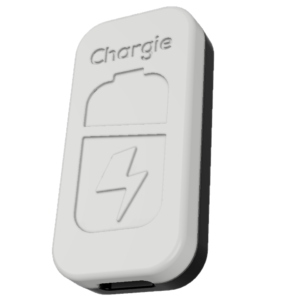
Limit your laptop charge to 80% via USB-C. Works with MacBooks, Dell, HP, Lenovo and most USB-C laptops up to 100W.
Protect Your Battery with Chargie
The world's first hardware charge limiter. Set a charge limit on any phone, tablet, or laptop — extend battery life by up to 4x.