

The right-to-repair movement has spent a decade fighting for access to schematics, spare parts, and diagnostic tools. Those battles matter. But the single biggest threat to device longevity is not repairability — it is battery degradation. Making batteries last long enough that repair becomes the default, not the exception, is the next frontier in the fight against disposable electronics.
This article connects battery longevity, EU Ecodesign law, and the global push for sustainable electronics — and explains why universities, repair advocates, and sustainability programs should treat charge-limiting hardware as part of the solution.
The Scale of the Problem: Batteries as the Primary Failure Point
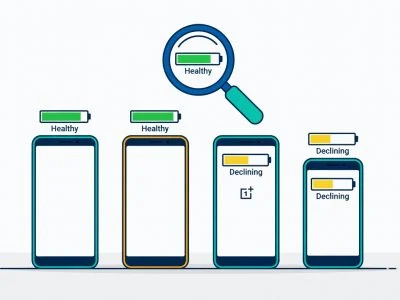
According to the European Environment Agency, discarded electronics generate over 12 million tonnes of waste annually in the EU alone. A significant share of that waste is devices with degraded batteries that no longer hold a useful charge. The device works. The screen is fine. The logic board is fine. But the battery is at 72% health, and the manufacturer wants $129 to replace it — or offers a trade-in that sends the old device to a recycler in Ghana.
If the battery had been protected from the start, the repair would not be necessary. The entire device would stay in service. This is where battery longevity becomes a structural part of the circular economy, not a consumer preference.
EU Ecodesign and the Right-to-Repair Directive
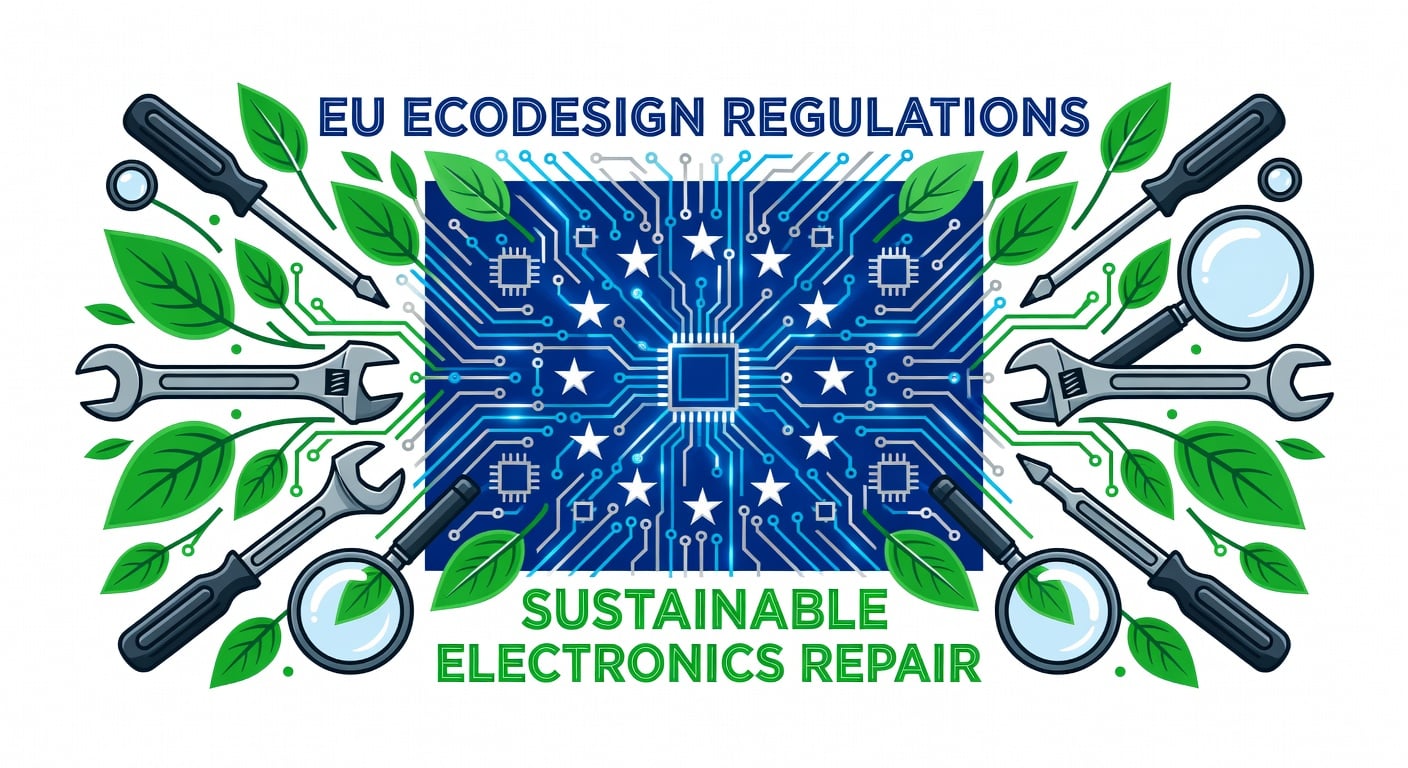
Two landmark EU laws are reshaping how electronics are designed and sold:
The Ecodesign for Sustainable Products Regulation (ESPR, EU 2024/1781) mandates repairability, durability, and energy efficiency across product categories. It requires manufacturers to make spare parts available for years after sale, provide repair information, and design products that can be disassembled.
The Directive on Common Rules Promoting the Repair of Goods (EU 2024/1799), taking full effect July 31, 2026, gives consumers a legal right to repair. It requires manufacturers to repair goods outside warranty at reasonable cost, bans practices that make repair unnecessarily difficult, and creates a European Repair Information Form to standardize cost transparency.
Both frameworks recognize a truth the industry would prefer to ignore: the most sustainable device is the one you already own. And the single biggest reason consumers abandon a functional device is battery degradation.
The Missing Link: Battery Longevity as Pre-Repair
Right-to-repair laws ensure you can fix your device. Battery longevity ensures you do not need to. The two are complementary:
- Repair rights address the supply side — spare parts, information, fair pricing.
- Battery protection addresses the demand side — preventing the failure that triggers the repair need in the first place.
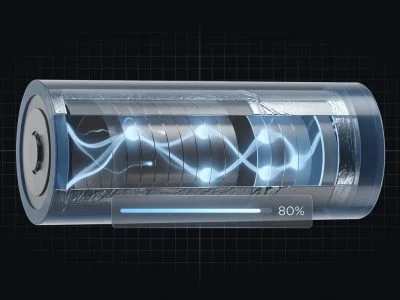
A phone battery kept at 80% charge instead of 100% can last 3–4 years instead of 18 months (learn how to keep battery health above 90% for three years). Over a five-year device lifespan, that is the difference between two battery replacements and none. It is also the difference between a device that enters the secondary market in usable condition and one that becomes e-waste.
For a deep dive into why 80% charging works at the molecular level — including the latest Stanford research on hydrogen-driven degradation — see Why Charging to 80% Extends Battery Life (Science Explained).
Global Context: Repair Laws Beyond the EU
The EU is not alone. France’s repairability index requires electronics to display a score indicating how repairable they are. The US is moving state-by-state — California, Minnesota, and New York have passed right-to-repair legislation, and federal momentum is building. India’s E-Waste Management Rules mandate extended producer responsibility for electronic waste. Canada’s proposed right-to-repair framework aligns closely with the EU approach.
Every one of these frameworks focuses on physical repairability. Few address the upstream prevention of battery failure. That gap represents an opportunity for sustainability researchers and .edu programs to study charge-limiting behavior as a behavioral intervention with measurable environmental impact.
Why This Matters for Academia and Policy

Universities and sustainability institutes have strong incentives to engage with battery longevity:
- Quantifiable carbon reduction: Extending device lifespan by even one year reduces manufacturing emissions more than most recycling programs.
- Behavioral research: Charge-limiting hardware removes the need for user discipline, making it a testable intervention for sustainable technology adoption.
- Policy alignment: Programs that study and promote battery longevity directly support the stated goals of Ecodesign and right-to-repair legislation.
If you are a researcher, student journalist, or sustainability program coordinator reading this: battery degradation is not a consumer inconvenience. It is a designed-in obsolescence mechanism with a known user-side fix. The literature gap on charge-limiting hardware as a circular-economy tool is wide open.
Chargie’s Role in the Repair Ecosystem
Chargie is the world’s only universal hardware USB charge limiter. It works with any USB-charged device — phones, laptops, tablets, wireless earbuds — and physically cuts power at the percentage you set. There is no software dependency, no manufacturer permission, and no planned obsolescence.
From a right-to-repair perspective, this matters because:
- It is repairable itself. Chargie is a simple hardware device with a replaceable firmware path. It does not lock you into an ecosystem.
- It extends the lifespan of devices that manufacturers would rather you replace. A MacBook that holds 90% battery health at year three is a MacBook Apple cannot sell you a new one against.
- It works on legacy devices. A 2019 phone with Chargie is more usable in 2026 than a 2023 phone charged to 100% every night. That shifts replacement cycles.
What You Can Do
If you are a consumer: cap your charge at 80% and slow-charge overnight. The habit costs nothing and can double your battery’s useful life.
If you are a repair advocate: add battery longevity to your talking points. The right to repair includes the right to avoid repair when prevention is cheaper and greener.
If you are a researcher or educator: contact us. We provide Chargie units for academic study, sustainability program evaluation, and .edu outreach. The data on charge-limiting impact is real, and it deserves a place in the sustainability literature.
Conclusion
The right-to-repair movement has won the argument that consumers should be allowed to fix their devices. The next fight is making sure those devices still need fixing five years from now. Battery longevity is the bridge between repair rights and actual repair reduction. EU Ecodesign law creates the framework. Smart charging creates the practice. And hardware charge limiters make it automatic.
Get Chargie to protect your device today.

USB-C charge limiter that stops at your set battery level. Prevents overnight overcharging to extend battery lifespan by years.
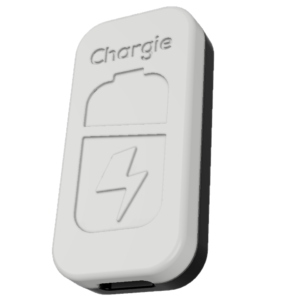
Limit your laptop charge to 80% via USB-C. Works with MacBooks, Dell, HP, Lenovo and most USB-C laptops up to 100W.
Protect Your Battery with Chargie
The world's first hardware charge limiter. Set a charge limit on any phone, tablet, or laptop — extend battery life by up to 4x.