
TL;DR — Hair Clipper & Beard Trimmer Battery Health
Cordless hair clippers and beard trimmers (Wahl, Philips Norelco, Andis) use heavy-duty NiMH or Li-ion batteries that degrade 3–5× faster when left plugged in at 100% charge or stored fully charged in a dark drawer for months. A hardware charge limiter keeps the pack at 60–80% capacity, doubling its usable lifespan.
Why Clipper Batteries Die So Fast
Professional-grade hair clippers were originally designed for commercial shops with nightly maintenance — but today’s home users treat them like a set-and-forget tool. When left plugged into wall docks at 100% state of charge (SoC), the battery undergoes maximum calendar aging [1]. According to established research on lithium-ion chemistry, keeping any rechargeable cell at peak saturation accelerates chemical stress that permanently lowers capacity.
NiMH vs Li-ion: Which Clipper Battery Fails Sooner?
- NiMH Batteries: Standard consumer NiMH cells self-discharge at roughly 15–30% per month. A hair clipper sitting on a trickle charger base intermittently pulses power to keep the cell topped off while heat builds up inside a confined, unventilated dock.
- Li-ion Batteries: Leaving premium beard trimmers plugged in past 80% SoC forces constant micro-cycling to maintain that plateau, thickening the internal SEI (solid electrolyte interphase) layer and blocking ion flow [2]. The result is a trimmer that used to run for an hour now stalls after four minutes.
The Drawer-and-Dock Trap
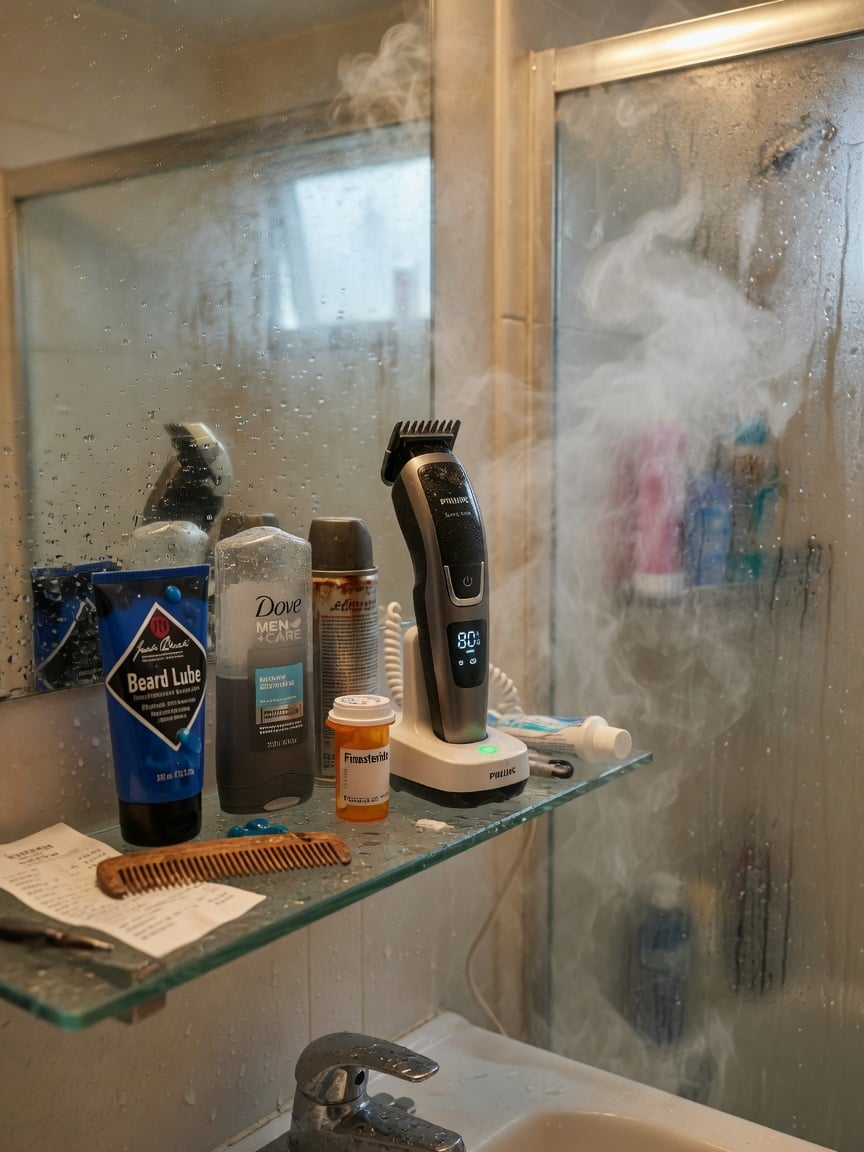
The exact same chemical degradation occurs if you prefer to unplug your trimmer after a quick top-up and store it in a drawer. A fully charged battery left sitting naturally loses capacity simply by virtue of time passing—this is what engineers call calendar aging.
Heat + High Amperage: The Double Strike
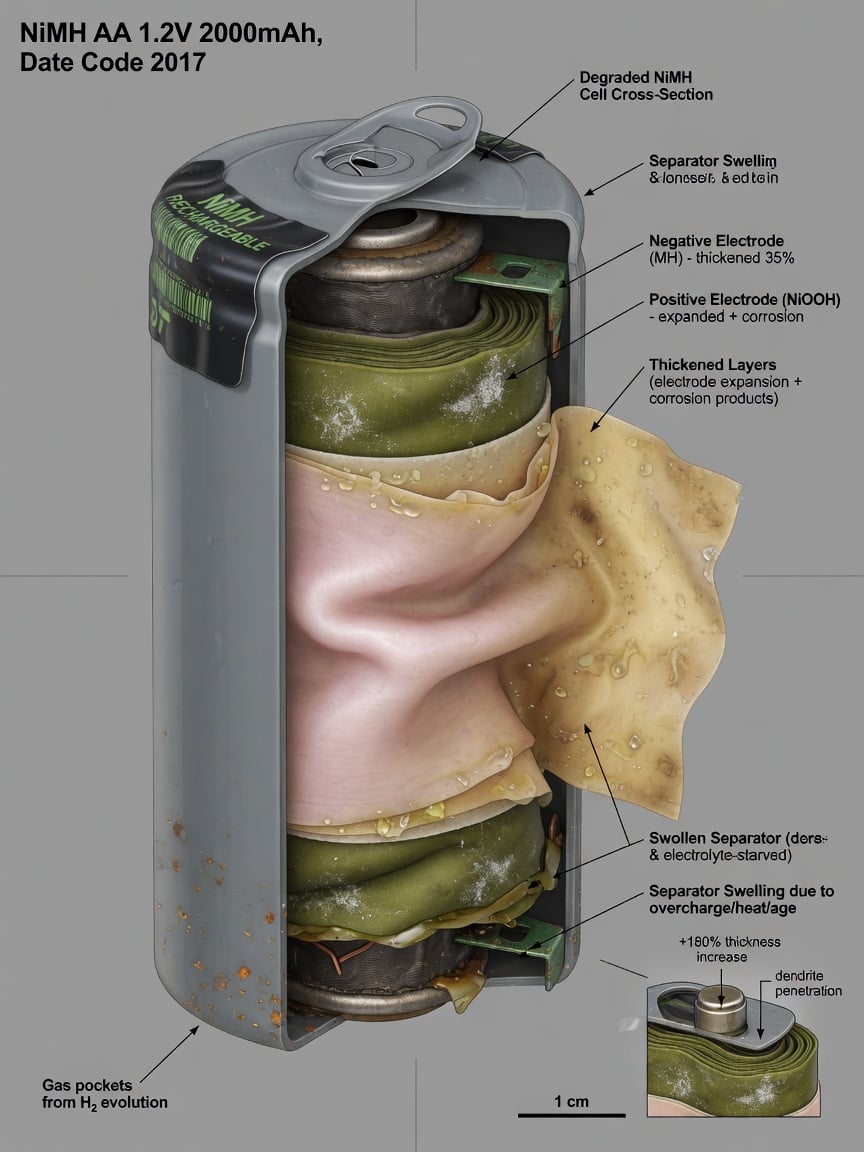
Most modern clippers run on heavy-duty motors demanding massive amperage spikes. While a fresh battery handles this for extended shaves, a degraded pack heats up disproportionately under the same load. Once temperatures breach 35°C inside a plastic trimmer body, you’re rapidly pushing past chemical limits.
How to Extend Clipper Battery Lifespan by 2–3×
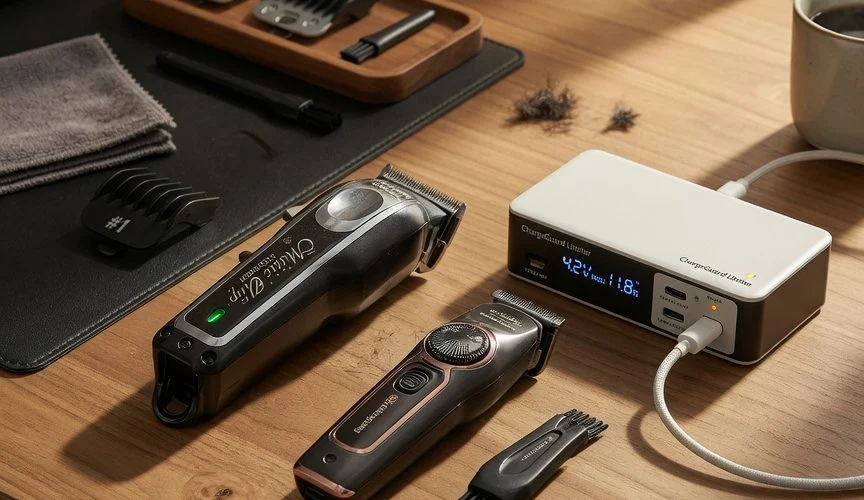
- Avoid the 100% plateaus. Install a simple wall plug-in timer (hardware charge limiter) to physically cut charging current once the clipper reaches 80% SoC, protecting its internal chemistry from continuous micro-cycling [3].
- Store devices OFF and unplugged. If you use the trimmer occasionally, charge it to exactly 60–80% and turn it completely off before tossing it back in a drawer.
- Deep-cycle NiMH packs periodically. Taking your NiMH clipper down to an absolute zero-charge state every three months balances all internal cells.
FAQ: Clipper Battery Questions
How long should a brand-new hair clipper battery last?
A premium cordless clippers’ built-in cell usually maintains usable capacity for two to four years under perfect conditions (moderate SoC storage, room temperature).
Can I replace my Wahl or Andis clipper’s internal battery?
Yes. Most professional Wahl cutters and many Andis models are designed with serviceable internal packs you can swap yourself, costing $20–35 online rather than buying a brand new machine.
Why does my Philips Norelco feel weaker after two cycles?
Rapid capacity loss almost always points to calendar aging from being left in its dock at 100% charge, rather than cycling wear. Replacing the pack + using a hardware charger limiter usually restores factory-level runtime immediately.
Do heat or humid bathrooms ruin clipper batteries faster?
Absolutely. Heat speeds up chemical breakdown exponentially [4], and bathroom humidity accelerates contact corrosion on the battery terminals inside your trimmer’s cramped plastic housing.
Model Comparison Table
| Model | Year Range | Battery | Runtime |
|---|---|---|---|
| Wahl Magic Clip | 2015–Present | Li-ion (prop) | ~4 hrs |
| Wahl Detailer Pro | 2017–Present | NiMH (AAA) | Varies |
| Philips Norelco 7000 | 2018–Present | Li-ion | ~4 hrs |
| Model | Battery Type | Replacement Cost |
|---|---|---|
| Andis ProLithium | Lithium-ion 7.4V | ~$60 (Andis) |
| Norelco 9000 Prestige | Hybrid Li-ion | $80 (Philips) |
Smart Charging Habits for Grooming Pros
The difference between a clipper that functions beautifully for a decade and one that dies in twelve months usually comes down to charging habits. By investing less than fifteen dollars into simple hardware automation, you extend the lifespan of a $100-plus professional tool by years. In a landscape where clipper batteries are expensive, proactive capacity management saves money over time. Get a hardware USB charge limiter for any device from the Chargie shop, or read the full breakdown on which Chargie model fits your setup.
Sources
- Calendar aging at high state of charge — Battery University, “BU-808: How to Prolong Lithium-based Batteries.” https://batteryuniversity.com/article/bu-808-how-to-prolong-lithium-based-batteries
- SEI layer growth and capacity loss during storage — Keil, P. et al., “Calendar Aging of Lithium-Ion Batteries,” Journal of The Electrochemical Society, 163 (9) A1872-A1880, 2016. https://doi.org/10.1149/2.0611609jes
- Benefits of capping charge at 60–80% — Battery University, “BU-808: How to Prolong Lithium-based Batteries,” § Charging in moderation. https://batteryuniversity.com/article/bu-808-how-to-prolong-lithium-based-batteries
- Heat and the Arrhenius effect on battery aging — Battery University, “BU-808: How to Prolong Lithium-based Batteries,” § Heat the killer. https://batteryuniversity.com/article/bu-808-how-to-prolong-lithium-based-batteries
USB-C charge limiter that stops at your set battery level, so your battery never sits at 100% overnight. Extends battery lifespan by years. Works with any USB-C charger.
Limit your laptop charge to 80% via USB-C. Works with MacBooks, Dell, HP, Lenovo and most USB-C laptops up to 100W.
Protect Your Battery with Chargie
The world's first hardware charge limiter. Set a charge limit on any phone, tablet, or laptop — extend battery life by up to 4x.