
Cold Weather Battery Drain, City by City: The 2026 Winter Guide
Cold weather battery drain hits differently depending on where you live. A New York commuter waiting on an open-air subway platform in a January wind chill faces a very different battery reality than someone in Phoenix riding out a rare desert cold snap. This guide breaks down exactly what cold does to your phone’s battery, then walks through winter conditions and charging tips for 10 major US metro areas and 5 European capitals — so you know what to expect wherever you are.
Note on figures: city temperature and humidity values below are seasonal winter averages for planning purposes. Always check your local forecast for exact conditions.
Why cold weather drains your phone battery
Lithium-ion batteries move ions through a liquid electrolyte between two electrodes — a chemical reaction that slows down as temperatures drop. Cold electrolyte means higher internal resistance and less usable capacity, even though the stored energy is technically still there.
According to Battery University, a battery that delivers 100% capacity at 27°C (80°F) typically drops to about 50% capacity at –18°C (0°F). That’s why a phone reading 40% indoors can shut off minutes after you step into freezing air — and why it often “comes back to life” once it warms up again. This capacity loss is temporary and recovers at room temperature.
The real danger: charging a frozen phone
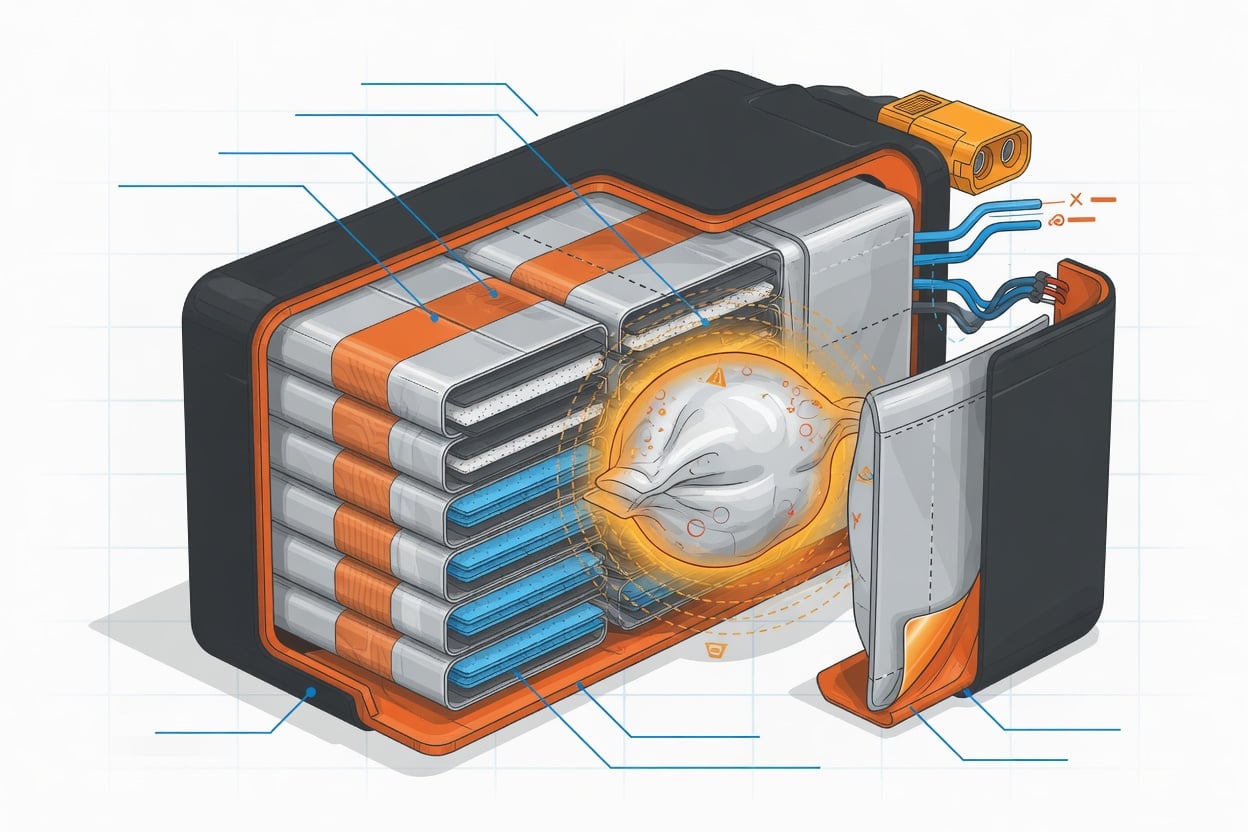
Discharging in the cold is harmless. Charging a phone below 0°C (32°F) is not. When you charge a sub-freezing lithium-ion cell, ions can’t insert cleanly into the anode — instead, metallic lithium plates onto the surface, a process called lithium plating. Per Battery University’s charging guidance, this causes permanent degradation and can make the cell more vulnerable to failure under stress.
It’s invisible — your phone shows a normal charging animation while it happens — and it’s the single most common way people accidentally damage a battery in winter: plugging in a phone straight out of a freezing car or a winter walk, before it’s warmed back up. Apple’s own battery guidance puts the ideal operating range at 0°C to 35°C (32°F to 95°F) for exactly this reason.
The rule that matters everywhere in this guide: if your phone has been below freezing, let it sit at room temperature for 20–30 minutes before you plug it in — regardless of which city you’re in.
For the full science on temperature thresholds, recovery, and the winter playbook, see our companion piece: Cold Weather Phone Battery Drain: The Complete Winter Guide.
Winter battery conditions by US metro
Cold snaps hit some of these cities every week in January; others see them once every few winters — but when they do, unprepared phones (and EVs) fail the same way everywhere. Here’s what to expect in the 10 largest US metro areas.
New York City, NY
| Metric | Winter value |
|---|---|
| Average January temp | ~1°C (34°F), lows near –4°C (25°F) |
| Typical winter humidity | 60–65% |
Local tip: Open-air subway platforms and long outdoor commutes are the classic NYC trap — your phone can sit near freezing for 20+ minutes before you’re back somewhere warm. Don’t top off charge from a platform power bank; wait until you’re at your desk and the phone has warmed up.
Chicago, IL
| Metric | Winter value |
|---|---|
| Average January temp | –4°C (25°F), wind chills regularly below –18°C (0°F) |
| Typical winter humidity | 65–70% |
Local tip: Chicago wind chill is where the –18°C “50% capacity” threshold from Battery University stops being theoretical. If you’re waiting for the L or walking the Loop, keep your phone in an inside coat pocket, not an outer layer or bag pocket exposed to wind.
Philadelphia, PA
| Metric | Winter value |
|---|---|
| Average January temp | 0°C (32°F), lows near –5°C (23°F) |
| Typical winter humidity | 60–65% |
Local tip: Right at the freezing line means Philly winters flip between “fine” and “plating risk” week to week. Get in the habit of checking the temperature before you plug in after being outside, rather than assuming it’s always safe.
Dallas–Fort Worth, TX
| Metric | Winter value |
|---|---|
| Average January temp | ~8°C (46°F), but sharp cold snaps can drop lows below –10°C (14°F) |
| Typical winter humidity | 65–70% |
Local tip: DFW’s danger isn’t the average — it’s the occasional Arctic blast (like the 2021 Texas freeze) that catches everyone unprepared. Devices and infrastructure built for mild winters are the most vulnerable when a real cold snap hits, so treat any hard freeze warning as a “warm the phone before charging” day.
Houston, TX
| Metric | Winter value |
|---|---|
| Average January temp | ~12°C (54°F), rare hard freezes possible |
| Typical winter humidity | 70–75% |
Local tip: Houston’s high winter humidity plus rare freezes means condensation is a bigger practical risk than sustained cold. If a phone comes in cold and damp from an outdoor event, dry it off and let it reach room temperature before charging.
San Antonio, TX
| Metric | Winter value |
|---|---|
| Average January temp | ~11°C (52°F), occasional freezes |
| Typical winter humidity | 65–70% |
Local tip: Similar to Dallas and Houston, San Antonio’s real risk is the infrequent hard-freeze event, not day-to-day winter weather. Keep a charge-limiting habit year-round so your battery isn’t already stressed from heat when a rare cold snap arrives.
Phoenix, AZ
| Metric | Winter value |
|---|---|
| Average January temp | ~13°C (55°F), desert nights can drop near 3°C (37°F) |
| Typical winter humidity | 35–45% |
Local tip: Phoenix rarely sees freezing temperatures, but the desert’s day-to-night swing is dramatic. A phone left in a car overnight can get colder than you’d expect for the daytime forecast — check before your first charge of the day if you’ve had a cold desert night.
San Diego, CA
| Metric | Winter value |
|---|---|
| Average January temp | ~14°C (57°F), coastal, rarely near freezing |
| Typical winter humidity | 55–65% |
Local tip: San Diego’s mild coastal winter means cold-charging risk is low most of the year — but the mountains and deserts just east of the city (Julian, Anza-Borrego) drop well below freezing. If you’re hiking or skiing nearby, the city forecast won’t tell you the real story.
Los Angeles, CA
| Metric | Winter value |
|---|---|
| Average January temp | ~14°C (58°F), inland valleys and mountains colder |
| Typical winter humidity | 55–65% |
Local tip: Basin LA rarely freezes, but a quick trip up to Big Bear or the Angeles Crest changes the math fast. The same phone that’s fine charging at your desk in the city needs the 20–30 minute warm-up rule after a day in the mountains.
Miami, FL
| Metric | Winter value |
|---|---|
| Average January temp | ~20°C (68°F), essentially no freeze risk |
| Typical winter humidity | 65–75% |
Local tip: Miami almost never triggers the cold-charging risk this guide is built around — your bigger year-round threat is heat, not cold. See our summer heat battery protection guide for the Miami-relevant version of this advice.
Winter battery conditions by European capital
European winters bring longer stretches of consistent cold rather than the sharp spikes common in parts of the US — which changes the risk profile: less “surprise freeze,” more “everyday exposure.”
London, United Kingdom
| Metric | Winter value |
|---|---|
| Average January temp | ~5°C (41°F), rarely far below freezing |
| Typical winter humidity | 80–85% |
Local tip: London rarely gets deep-freeze cold, but damp + cold together is uncomfortable for electronics. A phone that’s been rained on and chilled on a commute should be dried and warmed before charging, not just warmed.
Paris, France
| Metric | Winter value |
|---|---|
| Average January temp | ~4°C (39°F), overnight lows near freezing |
| Typical winter humidity | 80–85% |
Local tip: Overnight lows hovering right at 0°C mean a phone left near a window or in an unheated entryway overnight can genuinely dip below freezing. Charge from your bedside table, not a cold hallway.
Berlin, Germany
| Metric | Winter value |
|---|---|
| Average January temp | ~1°C (34°F), regular sub-freezing nights |
| Typical winter humidity | 80–85% |
Local tip: Berlin winters routinely dip below freezing, especially overnight — this is one of the cities on this list where the “warm before you charge” rule genuinely applies most days of the season, not just on cold-snap days.
Madrid, Spain
| Metric | Winter value |
|---|---|
| Average January temp | ~6°C (43°F), but continental nights can drop below freezing |
| Typical winter humidity | 60–70% |
Local tip: Madrid’s continental (not coastal) climate means clear winter nights can get colder than the mild daytime average suggests. Overnight outdoor storage — a car, a balcony — is the main risk here, not daytime use.
Rome, Italy
| Metric | Winter value |
|---|---|
| Average January temp | ~8°C (46°F), rarely near freezing |
| Typical winter humidity | 70–75% |
Local tip: Rome has the mildest winter of the five European capitals here — cold-charging risk is low, but damp, humid cold still slows battery performance more than dry cold at the same temperature. Don’t assume “mild” means “no drain.”
Cold vs. heat: the year-round picture
Whichever city you’re in, cold and heat are two sides of the same coin. Cold mostly causes temporary capacity loss (with the sharp exception of sub-freezing charging). Heat causes permanent, cumulative damage every single cycle — Battery University found that cycling at 30°C (86°F) instead of 20°C costs about 20% of cycle life, rising to 40% at 40°C (104°F). Miami, Houston, San Antonio, Dallas, and Phoenix readers should weight their attention toward our summer heat guide; Chicago, Berlin, and Paris readers should take the winter charging rule most seriously.
The single habit that helps in every city on this list, in every season: don’t hold your battery at a high state of charge for long periods. High charge stress compounds whatever the temperature is already doing — the mechanism is explained in full in why charging to 80% extends battery life.
Your winter battery playbook (any city)
- Never charge a freezing-cold phone. Let it reach room temperature for 20–30 minutes first — this is the one rule that matters everywhere on this list.
- Keep your phone close to your body in an inside pocket, not an outer layer or bag exposed to wind chill.
- Don’t leave your phone in a cold car overnight — the classic lithium-plating trap in Chicago, Berlin, Dallas cold snaps, and beyond.
- Trust the recovery, not the panic-percentage. A sudden shutdown at 30% outdoors in the cold usually isn’t a dead battery.
- Warm it gently — body heat or a warm room only, never a hairdryer or radiator.
- Cap your charge around 80% year-round so temperature stress in any season doesn’t compound on top of high-charge stress.
A hardware USB charge limiter like Chargie handles that last rule automatically — capping your charge every night, on any phone, in any city, no app required. It’s the same root-cause protection whether the battery’s stress this week is a Chicago wind chill or a Houston heat wave.
Frequently asked questions
Which cities have the worst cold weather battery drain risk?
Of the cities covered here, Chicago and Berlin see the most regular sub-freezing exposure, which makes the “warm before you charge” rule most relevant there. Cities like Miami, Phoenix, and Rome rarely trigger true freezing risk, though occasional cold snaps or mountain trips can still catch a phone off guard.
Does humidity make cold weather battery drain worse?
Humidity itself doesn’t change the core lithium-ion chemistry, but damp cold (common in London, Paris, and coastal cities) adds a condensation risk when a phone moves from cold outdoor air into a warm room. Dry the device before charging in those conditions.
Is it different charging a phone in a warm city that has one cold snap vs. a city that’s cold all winter?
The chemistry is identical either way — what changes is preparedness. Cities with occasional freezes (Dallas, San Antonio, Houston) see more battery damage per cold event because people aren’t in the habit of checking temperature before charging, unlike residents of consistently cold cities (Chicago, Berlin) who adjust their routine for the whole season.
What’s the single best habit for battery health regardless of city or season?
Capping your charge around 80% instead of routinely charging to 100%. It reduces voltage stress on the cell so that whatever the local climate is doing — cold-charging risk in winter, sustained heat in summer — isn’t compounding on top of an already-stressed battery.
The bottom line
Cold weather battery drain is mostly a temporary, recoverable illusion — the real, permanent risk is charging a phone that’s still below freezing. That risk looks different city by city: a daily habit in Chicago and Berlin, an occasional cold-snap hazard in Dallas or Madrid, a near non-issue in Miami or Rome. Wherever you are, the fix is the same: warm before you charge, and cap your charge around 80% year-round so temperature stress never has to do all the damage on its own.
Want the deeper science on temperature thresholds and long-term degradation? Read our lithium-ion battery degradation guide, or see how Chargie’s hardware charge limiter protects your battery automatically, in every city, in every season.
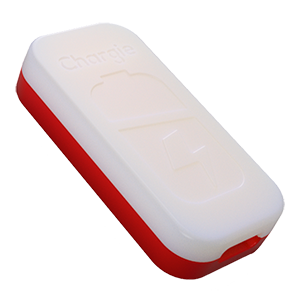
USB-C charge limiter that stops at your set battery level, so your battery never sits at 100% overnight. Extends battery lifespan by years. Works with any USB-C charger.
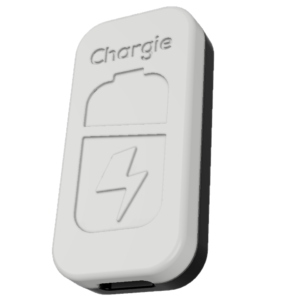
Limit your laptop charge to 80% via USB-C. Works with MacBooks, Dell, HP, Lenovo and most USB-C laptops up to 100W.
Protect Your Battery with Chargie
The world's first hardware charge limiter. Set a charge limit on any phone, tablet, or laptop — extend battery life by up to 4x.